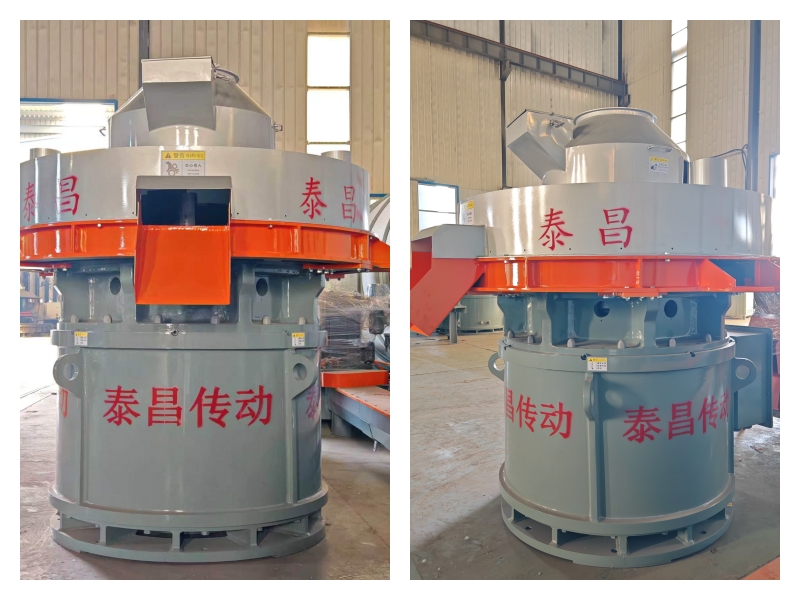
Exploring the Expanding Role of Biomass Pellets in Power Generation, Chemical Production, and Livestock Management
Introduction:
Biomass pellets, typically produced through a process involving a biomass pellet machine, have been widely recognized for their renewable energy potential. The renewable nature of these pellets, mainly derived from agricultural residues, forestry waste, and other organic materials, has made them a favored source of energy. However, beyond the conventional use in boiler heating systems, biomass pellets are now making their way into various industries, offering innovative solutions and contributing to a more sustainable future.
1. Biomass Pellets in Power Generation:
The power generation industry has seen a significant shift toward cleaner and more sustainable energy sources. Biomass pellets have become an increasingly important alternative to coal and other fossil fuels. With the aid of wood pellet machines, biomass materials can be efficiently processed into uniform, high-energy-density pellets, which are ideal for combustion in power plants.
In power generation, biomass pellets can be used in both co-firing with coal and as a stand-alone fuel source in dedicated biomass plants. The biomass pellet machine allows for the production of pellets with optimal moisture content, density, and uniformity, which directly affects the efficiency of combustion and the reduction of carbon emissions. By replacing or supplementing coal, biomass pellets reduce greenhouse gas emissions, making power generation more sustainable and contributing to the global fight against climate change.
2. Biomass Pellets in Chemical Raw Materials:
The chemical industry has been a significant beneficiary of biomass pellet utilization. Through pyrolysis and gasification processes, biomass pellets can be converted into valuable chemical raw materials such as biochar, syngas, and bio-oil. These materials are used in various chemical processes, from fertilizers to bioplastics, making biomass pellets an integral component in the green chemistry revolution.
The use of wood pellet machines for producing high-quality pellets ensures that the material is suited for conversion into chemicals. For instance, the consistency in size and energy content achieved by advanced pellet mills enhances the efficiency of the chemical conversion processes, leading to higher yields and reduced waste. As industries seek alternatives to petrochemical-based raw materials, biomass pellets provide a sustainable option that supports circular economy principles.
3. Biomass Pellets in Animal Husbandry:
In animal husbandry, biomass pellets, particularly those derived from agricultural residues, serve as both bedding material and feed supplement. The biomass pellet machine has enabled the production of high-quality pellets that offer superior absorption and comfort for livestock, reducing the need for traditional bedding materials like straw and hay.
Moreover, pellet mills are also employed to create high-nutrient pellets for animal feed. These pellets are rich in fiber, proteins, and other essential nutrients, making them an excellent addition to the diets of livestock. The high nutritional value and ease of handling make biomass pellets a cost-effective and environmentally friendly alternative to conventional animal feed ingredients.
4. Sustainable Practices and Future Outlook:
The continued innovation in biomass pellet machine technology, such as improvements in pelletizing efficiency, fuel quality, and cost reduction, suggests a promising future for the industry. As global industries look toward sustainable solutions, the expansion of biomass pellet applications beyond boiler heating will continue to grow, contributing to more sustainable power generation, green chemical production, and efficient livestock management.
Governments worldwide are increasingly providing incentives for industries that utilize renewable resources, further driving the adoption of biomass pellets across various sectors. By supporting these initiatives, the biomass pellet industry is positioned to play a critical role in the global transition to a sustainable, low-carbon economy.
Summary:
Biomass pellets, while traditionally used for boiler heating, are finding innovative applications across several industries, including power generation, chemical raw materials, and animal husbandry. The development of advanced biomass pellet machines has facilitated these new applications, offering industries more sustainable, cost-effective, and environmentally friendly solutions. As demand for green technologies continues to rise, biomass pellets are poised to play a central role in a variety of industries, contributing to a more sustainable future.
Jinan Taichang Transmission Machinery Co., Ltd. is a leading manufacturer and supplier of high-quality biomass pellet machines and supporting equipment. With 22-year of experience in the design and production of pelletizing equipment, the company is committed to providing innovative and efficient solutions for biomass processing. The advanced machinery has revolutionized industries by increasing the efficiency of pellet production, reducing operational costs, and promoting sustainability in various sectors, including power generation, chemical manufacturing, and animal husbandry.
By focusing on research and development, Jinan Taichang ensures that the products meet the highest standards of quality and performance. With a global presence and a customer-focused approach, Jinan Taichang continues to lead the way in the biomass pellet industry, helping companies transition to greener, more sustainable practices.